The moment
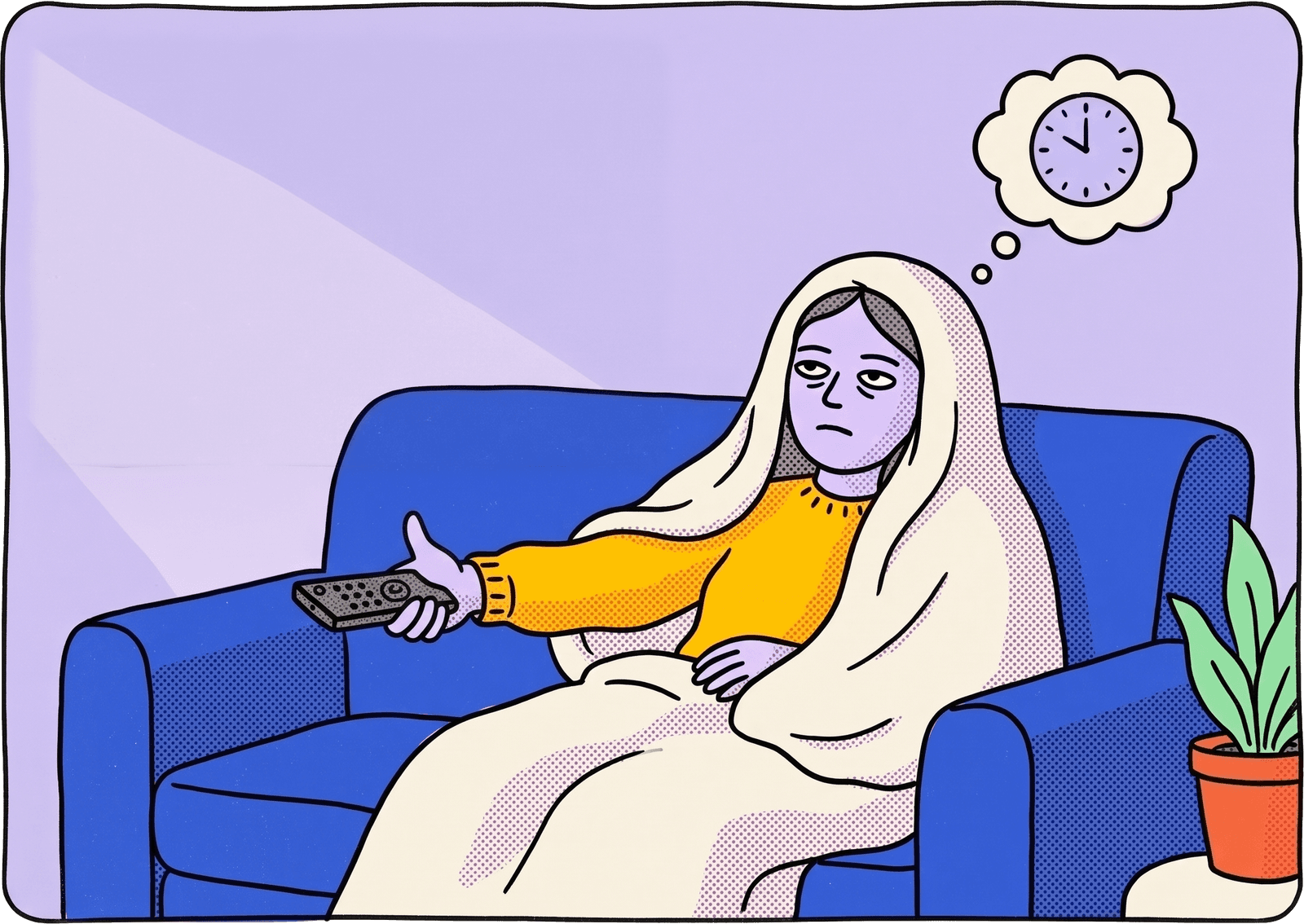
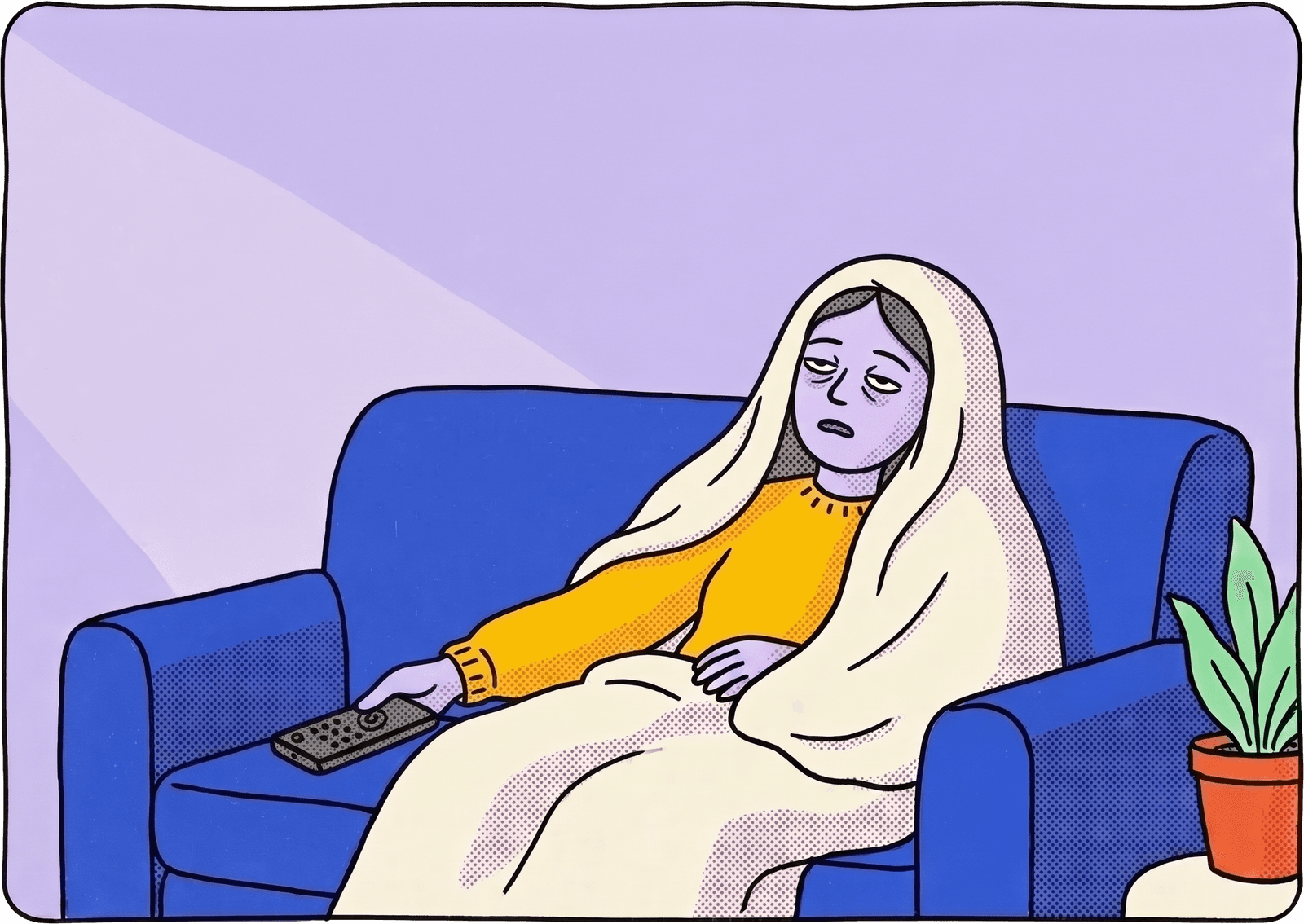
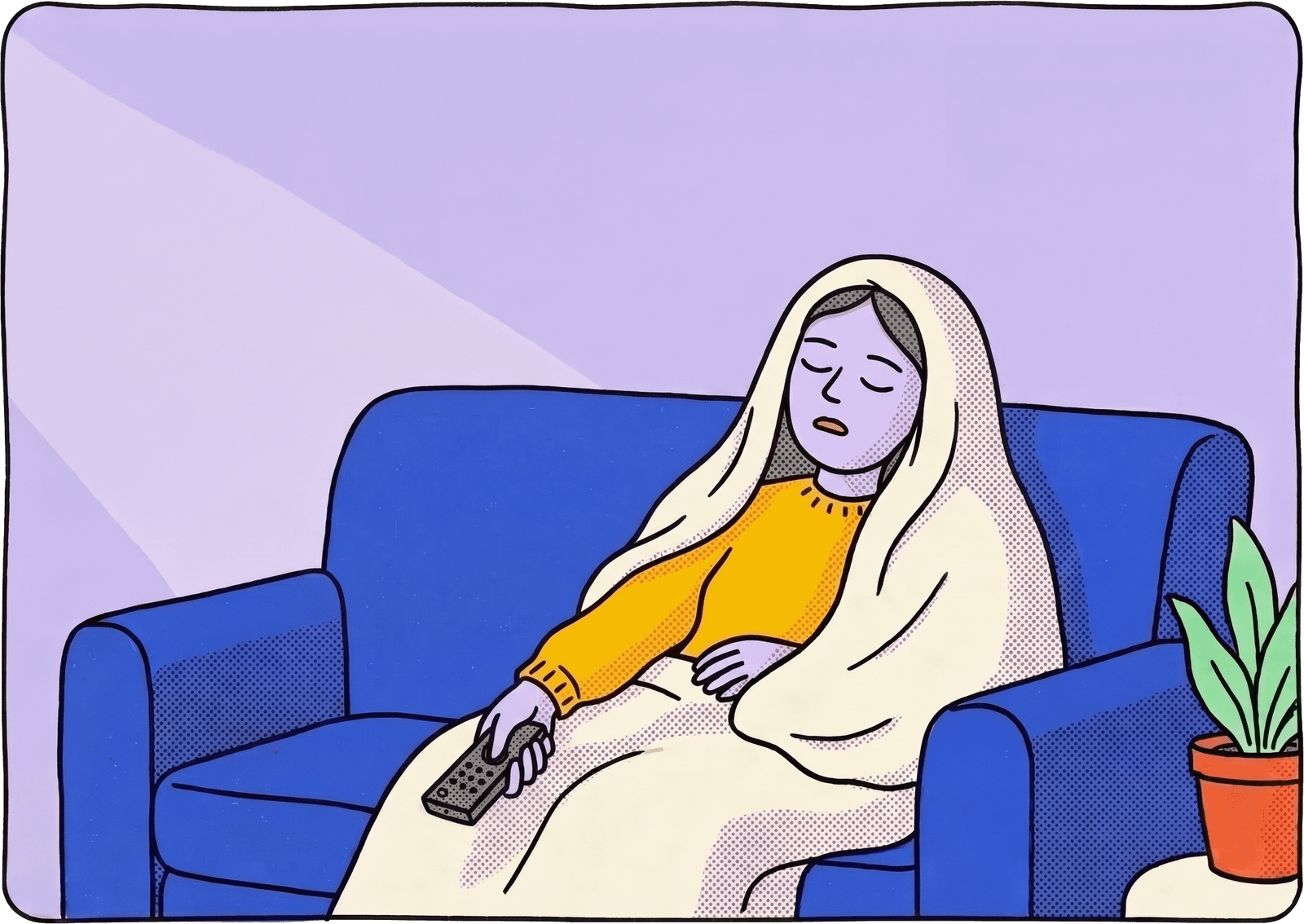
Wednesday, 9:30pm. Forty-five minutes before I should be asleep, and not enough left in the tank to start something I’d have to concentrate on. I scroll Netflix for about twelve minutes, close it, and open YouTube.
That last step is the interesting one. I didn’t stop wanting to watch something. I switched to an app where picking wrong costs almost nothing: a ten-minute video I can abandon at any point, and nothing follows me around afterwards.
What Netflix has tried
A shuffle button, since removed
Play Something launched in 2021 and was pulled in 2023 for low usage.
One button, one random pick. Netflix’s explanation for removing it was that most members already know what they want when they log in. That’s probably true — and it’s exactly why the members who don’t are invisible in the averages.
A rebuilt TV home screen
The first big redesign in over a decade, announced in 2025.
Recommendations that react to what you’re browsing and the time of day, and tiles that show why a title matters — top 10, new season, award winner — before you click.
Clips, a vertical feed on mobile
Launched in 2026: short scenes you scroll, with a tap through to the title.
Netflix describes it as a personalised highlight reel that helps you decide what to watch. The instinct is right. The job it’s been given is where I disagree.
Why a trailer feed only fixes half of it
YouTube and short-video feeds work because being wrong is nearly free. A bad video costs a few seconds or a few minutes, and you never think about it again.
Clips makes sampling that cheap — and then its whole purpose is to hand me to a 50-minute episode, a whole season, and a title that will sit on my home screen if I bail. On the nights I’m on YouTube, that commitment is exactly what I’m avoiding. A feed whose only job is to talk me into it is asking the wrong question.
A hunch I can’t test from out here
On Instagram and TikTok, fans cut edits of characters they love: a montage of one person’s best scenes, set to a song that has nothing to do with the show. People rewatch them long after they’ve finished the series. One fan edit of Bridgerton’s Kate and Anthony reached 7.8 million views — 2.5 million more than the official season two teaser.
So I wonder whether the clip worth having is the one you’d watch for its own sake, rather than the one built to sell you an episode. On the nights I end up on YouTube, I’m not looking to be talked into fifty minutes. I’m looking for the twenty minutes I was going to spend anyway.
That’s as far as I can honestly take it. I don’t have Netflix’s data, I don’t know what Clips costs them to run, and licensing the music that makes fan edits work might sink the whole idea on its own. The cheapest way to find out I’m wrong would be ten conversations with people who watch fan edits: if none of them would watch those edits inside Netflix, that’s the answer.
Up next
Our note taker failed at lunch.