5,000+
orders tracked since it went in
weekly
run, replacing order-by-order data entry
The problem
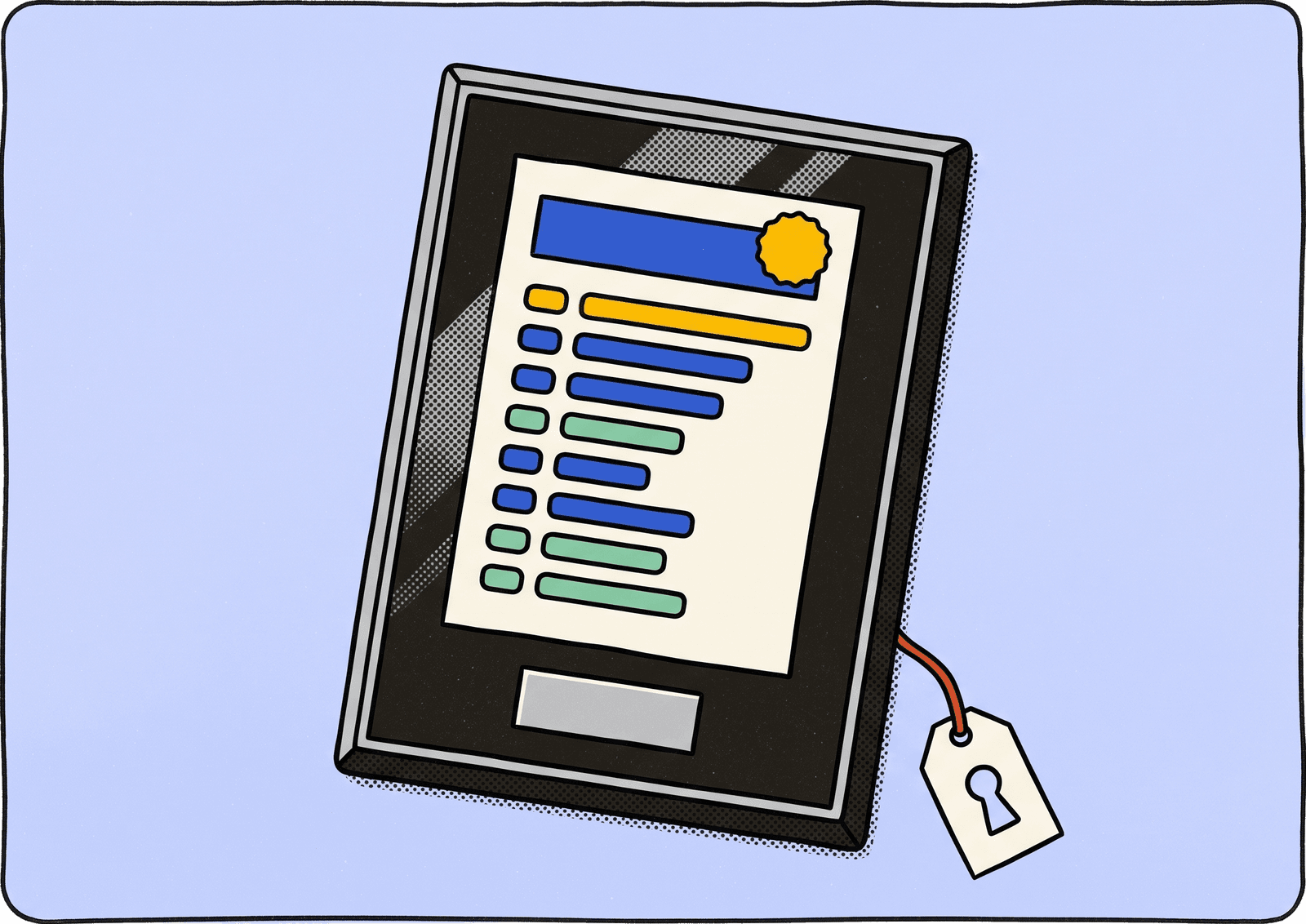
Advisors who make the rankings can buy plaques, trophies and logo licensing to show it. The storefront was open to anyone with an email address, while only ranked advisors are eligible to buy.
That meant eligibility was checked after the order: each one was read, checked against the rankings and logged in a spreadsheet by hand.
Fulfilment was manual too. Tracking numbers were copied across by hand, so advisors sometimes got theirs after the plaque had already arrived, and there was room to make that experience as good as the recognition it comes with.
What I did
- Replaced the manual logging with a webhook: orders now land in the sheet on their own, and the job changes from copying data to confirming eligibility.
- Automated the tracking side too, so orders and tracking numbers reconcile on a weekly run instead of being retyped one at a time.
- Proposed moving the store inside the advisor portal, where we already know who is signed in, so eligibility is a property of the account instead of a check someone performs.
The part I like
Inside the portal the store can be visible but locked for advisors who have not been ranked. It stops being a form that rejects you after the fact and starts being something to aim at: greyed out today, yours if you make the list.
For ranked advisors the opposite is true. We know their name, where they placed and which products that entitles them to, so the store can open with the right things already in it.
The trade-off I made knowingly
The automation is a bridge, not an architecture. It is lighter-weight than a proper integration and it needs a person to kick it off each week.
I took that route because it delivered value now, rather than waiting on access to a proper integration. The portal work is what makes it unnecessary.
Outcome
The weekly run has been going for about four months and has handled more than 5,000 orders. Tracking numbers now go out on a schedule, and nobody retypes an order to make that happen.
Moving the store into the portal is the next step, and it is what makes the automation unnecessary.
What I’d do next
Track how many ranked advisors open the store and how many buy, so the gated version can be judged on whether recognition turns into revenue rather than on how much manual work it removed.
Up next
Taking the busywork out of lunch